
Cooking is an art that has the power to bring people together, nourish the body, and soothe the soul. For beginners, the kitchen can sometimes seem intimidating with its plethora of tools, techniques, and ingredients. However, mastering the essential cooking basics doesn’t have to be daunting. This article will guide you through fundamental skills and tips to boost your confidence and cooking prowess. Let’s embark on this culinary adventure and transform you into a competent home cook!
Understanding Kitchen Essentials
Stocking Your Pantry
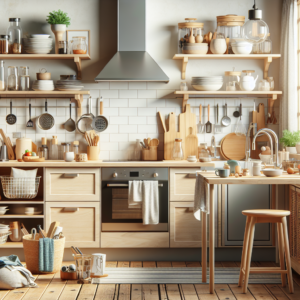
The first step in mastering cooking basics is ensuring your kitchen is well-equipped with essential ingredients. A well-stocked pantry provides the foundation for countless recipes and allows you to whip up meals without frequent trips to the grocery store. Key items to have include:
- Spices: Salt, pepper, garlic powder, onion powder, paprika, oregano, cumin.
- Oils and Vinegars: Olive oil, vegetable oil, balsamic vinegar, apple cider vinegar.
- Grains and Legumes: Rice, pasta, lentils, quinoa, canned beans.
- Baking Supplies: Flour, sugar, baking powder, baking soda, yeast.
- Condiments: Soy sauce, mustard, ketchup, hot sauce.
Essential Tools and Equipment
Equipping your kitchen with the right tools can make cooking more enjoyable and efficient. While there are countless gadgets available, these basics are all you need to get started:
- Knives: A chef’s knife, paring knife, and serrated knife.
- Cutting Boards: At least two, one for produce and another for raw meat to avoid cross-contamination.
- Cookware: A non-stick skillet, a stainless steel pot, and a baking sheet.
- Measuring Cups and Spoons: For accurate ingredient measurements.
- Mixing Bowls: A set of various sizes for different tasks.
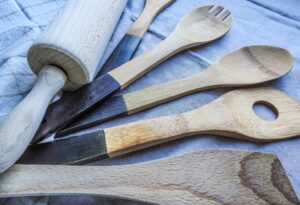
- Utensils: A spatula, wooden spoon, and tongs.
Mastering Basic Cooking Techniques
Knife Skills
Proper knife skills are fundamental in the kitchen. They not only make food preparation faster but also safer. Begin by learning how to hold a knife correctly, using a firm grip on the handle and curling your fingers on the other hand to guide the food. Practice the following cuts:
- Chopping: For larger, rough cuts of vegetables or herbs.
- Dicing: For uniform, small squares, perfect for soups and salads.
- Julienning: Creating thin, matchstick-sized strips, ideal for stir-fries.
- Mincing: Very fine chopping, often used for garlic or ginger.
Cooking Methods
Understanding basic cooking methods is crucial to achieving desired flavors and textures in your dishes. Here are some foundational techniques:
- Sautéing: Cooking food quickly in a small amount of oil over high heat. Ideal for vegetables and smaller cuts of meat.
- Boiling: Cooking ingredients in boiling water until tender. Commonly used for pasta, potatoes, and eggs.
- Roasting: Cooking food in the oven at high temperatures, creating a caramelized, crispy exterior. Perfect for meats and vegetables.
- Baking: Cooking food with dry heat. This method is used for making bread, cakes, and casseroles.
- Grilling: Cooking food on a grill over direct heat, imparting a smoky flavor. Great for meats and vegetables.
Seasoning and Flavoring
Seasoning is an art that can elevate any dish from bland to flavorful. Salt is the most common seasoning, but don’t overlook the power of herbs and spices. Taste your food as you cook and adjust the seasoning gradually. Fresh herbs like basil, cilantro, and parsley add brightness, while spices like cumin, coriander, and turmeric add depth. Experiment with different combinations to discover your favorite flavor profiles.
Developing Kitchen Confidence
Start with Simple Recipes
For beginners, starting with simple recipes is key to building confidence. Choose recipes with few ingredients and straightforward instructions. Classic dishes like scrambled eggs, pasta aglio e olio, or roasted chicken are excellent starting points. As you gain confidence, gradually try more complex recipes.
Practice Mise en Place
“Mise en place” is a French culinary term meaning “everything in its place.” Before you begin cooking, gather and prepare all your ingredients. This practice ensures you have everything you need at hand and helps streamline the cooking process, reducing stress and mistakes.
Embrace Mistakes
Mistakes are an inevitable part of learning to cook. Instead of viewing them as failures, see them as opportunities to learn and improve. Analyze what went wrong and adjust your approach next time. Remember, even professional chefs make mistakes. Persistence is key to mastering the art of cooking.
Exploring New Horizons
Expand Your Palate
As you become more comfortable in the kitchen, challenge yourself to try new ingredients and cuisines. Explore different flavor profiles by experimenting with international dishes. This not only broadens your culinary repertoire but also enhances your appreciation for diverse food cultures.
Experiment with Substitutions
Understanding how to substitute ingredients is a valuable skill, especially when you’re missing an ingredient. For example, if you’re out of buttermilk, you can use a mixture of milk and lemon juice or vinegar. Experimenting with substitutions fosters creativity and resourcefulness in the kitchen.
Join a Cooking Class
Consider enrolling in a cooking class to further improve your skills. Classes provide hands-on experience, guided instruction, and the opportunity to ask questions. Whether online or in-person, cooking classes can enhance your knowledge and inspire new culinary adventures.
Conclusion
Mastering essential cooking basics is an empowering journey that opens the door to endless culinary possibilities. By understanding kitchen essentials, honing your skills, and embracing challenges, you’ll gain the confidence to create delicious meals for yourself and others. Remember, the most important ingredient in cooking is passion, so enjoy every step of the process. Happy cooking!
#ChatGPT assisted in the creation of this article.