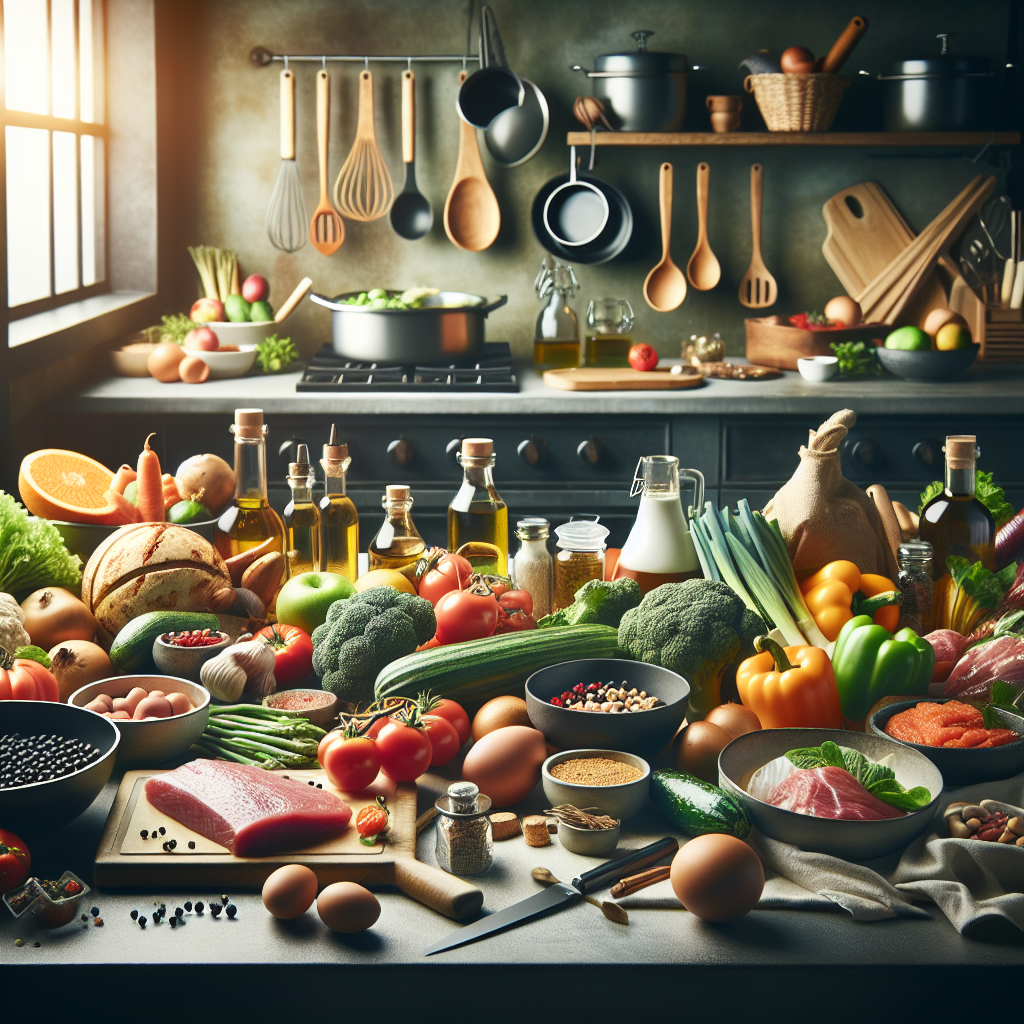
Cooking is an art form and a science, a beautiful blend of creativity and precision. Whether you’re a seasoned chef or a novice cook, there’s always something new to learn in the kitchen. This article delves into the top cooking tips and tricks that can elevate your culinary skills and transform your cooking experience. From mastering knife skills to understanding the science of flavor, these insights will help you become more efficient, innovative, and confident in the kitchen.
Mastering Knife Skills
A sharp knife is a cook’s best friend. It not only makes the cooking process faster but also safer. Here’s how you can master your knife skills:
Choosing the Right Knife
Invest in a high-quality chef’s knife. This versatile tool is essential for most kitchen tasks. Ensure the knife feels comfortable in your hand and is well-balanced.
Sharpening Techniques
Regularly sharpen your knives using a whetstone or a honing rod. A sharp knife cuts with ease, reducing the risk of accidents and making clean, precise cuts.
Practicing Basic Cuts
Learn the basic cuts: dice, slice, julienne, and chiffonade. Practice these techniques to improve your efficiency and presentation skills.
Understanding Flavor Profiles
Cooking is as much about understanding flavors as it is about ingredients. Here’s how you can master flavor combinations:
The Science of Taste
Familiarize yourself with the five basic tastes: sweet, salty, sour, bitter, and umami. Balancing these flavors can transform a dish from mundane to extraordinary.
Herbs and Spices
Experiment with different herbs and spices to create depth and complexity in your dishes. Fresh herbs like basil, cilantro, and mint add brightness, while spices like cumin, coriander, and paprika add warmth and intensity.
Layering Flavors
Build flavors in layers by seasoning at every stage of the cooking process. Start with aromatics like onions and garlic, then add spices, and finish with a splash of acidity to brighten the dish.
Cooking Techniques to Master
Certain cooking techniques form the foundation of countless recipes. Master these techniques to enhance your culinary repertoire:
Sautéing
Sautéing is a quick cooking method that uses a small amount of oil or fat in a pan over high heat. It’s perfect for cooking vegetables and meats, preserving their texture and flavor.
Braising
Braising involves cooking food slowly in a covered pot with a small amount of liquid. This technique is ideal for tougher cuts of meat, turning them tender and flavorful.
Roasting
Roasting enhances the natural sweetness of vegetables and creates a crispy crust on meats. Preheat your oven to ensure even cooking and a beautifully caramelized finish.
Time-Saving Hacks
In today’s fast-paced world, efficiency in the kitchen is crucial. Here are some time-saving hacks to streamline your cooking process:
Meal Prepping
Set aside a day each week to prepare ingredients for your meals. Chop vegetables, marinate proteins, and store them in airtight containers to save time during the week.
One-Pot Meals
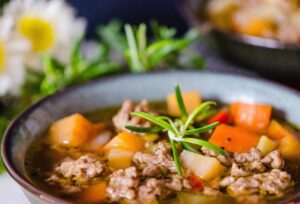
Simplify cleanup by making one-pot meals. These dishes combine proteins, vegetables, and grains in a single pot, offering a complete meal with minimal dishes to wash.
Quick Marinades
Use acid-based marinades, like lemon juice or vinegar, to tenderize and flavor meats quickly. A 30-minute marinade can make a significant difference in taste and texture.
Secrets to Perfect Baking
Baking is a precise science. Small changes can significantly affect the outcome. Here’s how to ensure your baked goods turn out perfectly every time:
Accurate Measurements
Baking requires exact measurements. Use a digital scale for precision and ensure your ingredients are at room temperature for even mixing.
The Importance of Temperature
Preheat your oven before baking, and use an oven thermometer to ensure it’s at the right temperature. Slight variations can impact the texture of your baked goods.
Resting Dough
Allow doughs and batters to rest before baking. Resting helps gluten relax, resulting in a tender crumb and improved texture.
Plating and Presentation
A dish’s visual appeal can enhance the dining experience. Here are tips for plating like a pro:
Use Contrasting Colors
Incorporate vibrant, contrasting colors to make the dish visually appealing. Use colorful vegetables or garnishes to add life to a plate.
Texture and Height
Create interest by varying textures and using height in your presentation. Layer elements or use a ring mold to add structure to your plate.
Garnishing
Add finishing touches with fresh herbs, edible flowers, or a drizzle of sauce. This not only enhances flavor but also adds elegance to the presentation.
Conclusion
Cooking is a lifelong journey of learning and exploration. By mastering these culinary secrets, you can enhance your skills, boost your confidence, and create delicious, memorable dishes. Whether you’re experimenting with new flavors, refining your techniques, or embracing time-saving hacks, these tips and tricks will help you become a more accomplished and innovative cook. So, roll up your sleeves, sharpen those knives, and let your culinary adventure begin!
#ChatGPT assisted in the creation of this article.