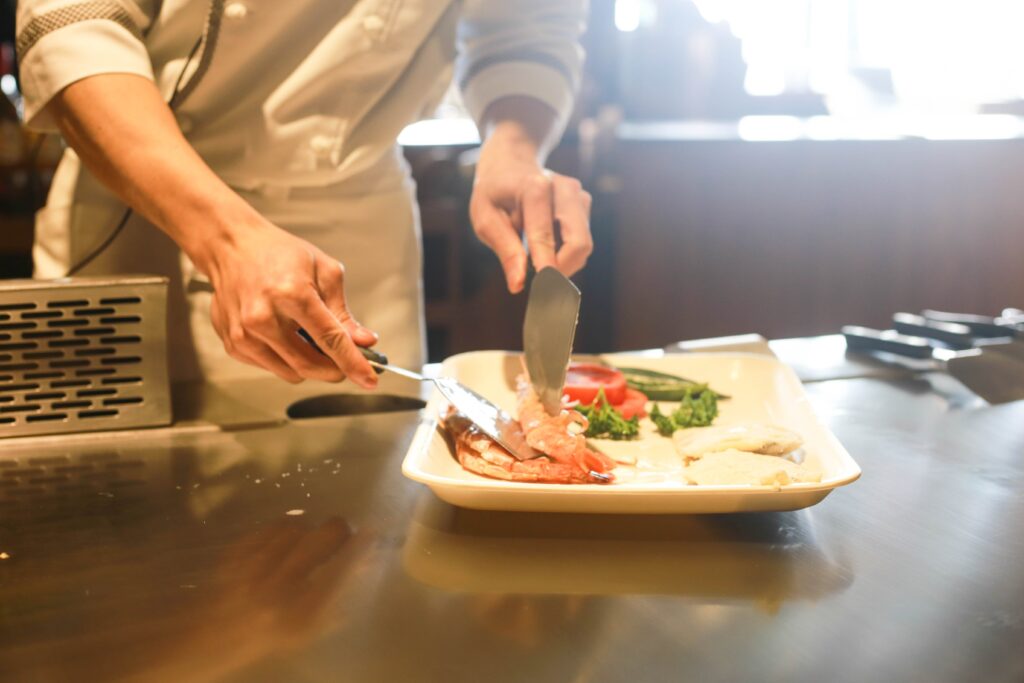
Cooking is an art and science that has been honed over centuries. While recipes offer a roadmap, it’s the mastery of cooking methods that truly elevates a home cook to a culinary artist. Unlocking these secrets can transform your kitchen endeavors into delightful culinary experiences. In this article, we’ll explore essential cooking methods and techniques that every aspiring chef should master.
Sautéing: The Art of Quick Cooking
Sautéing is a fundamental cooking method that involves cooking food quickly in a small amount of oil or fat over relatively high heat. This technique is perfect for vegetables, meats, and even seafood. The key to successful sautéing is preheating your pan and ensuring it’s hot enough before adding your ingredients. This ensures that the food sears quickly, locking in flavors and retaining moisture.
Tips for Perfect Sautéing
- Use a pan with a wide surface area to prevent overcrowding.
- Choose oils with high smoke points, like canola or grapeseed oil.
- Cut ingredients uniformly to ensure even cooking.
- Keep the food moving to prevent burning.
Braising: Unlocking Deep Flavors
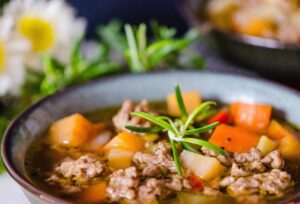
Braising is a slow cooking method ideal for tougher cuts of meat and hearty vegetables. It involves cooking the ingredients in a small amount of liquid at low temperatures for an extended period. This method breaks down tough fibers, resulting in tender, flavorful dishes.
Steps to Master Braising
- Start by searing the meat to develop a rich brown crust.
- Add aromatic vegetables like onions, garlic, and carrots for depth of flavor.
- Introduce a flavorful liquid such as broth, wine, or tomato sauce.
- Cover and cook slowly, either on the stovetop or in the oven.
Roasting: Achieving Perfection in Simplicity
Roasting is a dry-heat cooking method that uses the oven’s radiant heat to cook food from all sides. It’s perfect for meats, poultry, vegetables, and even fruits. The key to successful roasting is maintaining the right temperature and using proper seasoning to enhance the natural flavors of the food.
Roasting Tips
- Preheat the oven to ensure even cooking.
- Use a roasting rack to allow air circulation and even browning.
- Baste the food periodically to keep it moist.
- Let roasted meats rest before carving to retain juices.
Steaming: Preserving Nutrients and Texture
Steaming is a gentle cooking method that preserves the nutrients, color, and texture of food. It’s ideal for vegetables, fish, and dumplings. The steam cooks the food without submerging it in water, resulting in a tender and flavorful dish.
Effective Steaming Techniques
- Use a steamer basket to keep food elevated above boiling water.
- Ensure the pot is covered to trap steam effectively.
- Monitor the cooking time closely to prevent overcooking.
- Add herbs or aromatics to the water for added flavor.
Grilling: Capturing Smoky Goodness
Grilling is a high-heat cooking method that imparts a smoky flavor and attractive grill marks to food. It’s a popular technique for meats, seafood, vegetables, and even fruits. The key to successful grilling is managing the heat and understanding the different zones of your grill.
Grilling Tips for Success
- Preheat the grill to ensure a good sear.
- Use direct heat for quick-cooking items and indirect heat for larger cuts.
- Oil the grill grates to prevent sticking.
- Allow meats to rest before serving for optimal juiciness.
Poaching: Gentle and Flavorful Cooking
Poaching is a gentle cooking method that involves cooking food in a liquid at a low temperature. It’s ideal for delicate foods like eggs, fish, and poultry. The technique ensures that the food retains its moisture and delicate flavors.
Steps to Perfect Poaching
- Use a flavorful liquid such as broth or a seasoned water bath.
- Maintain a consistent low temperature to prevent toughening.
- Submerge the food completely for even cooking.
- Use a slotted spoon to remove the food gently.
Frying: Crispy and Delicious
Frying, whether shallow or deep, is a cooking method that produces crispy, golden-brown foods. It’s perfect for chicken, potatoes, and various appetizers. The key to successful frying is maintaining the correct oil temperature and using the right oil.
Frying Tips for Perfect Results
- Choose oils with high smoke points, like peanut or vegetable oil.
- Preheat the oil to the desired temperature before adding food.
- Do not overcrowd the pan to ensure even cooking.
- Drain fried foods on paper towels to remove excess oil.
Conclusion
Mastering these cooking methods is the key to unlocking a world of culinary possibilities. By understanding and applying these techniques, you’ll not only improve your cooking skills but also enhance the flavors and textures of your dishes. Whether you’re sautéing, braising, roasting, steaming, grilling, poaching, or frying, each method offers unique advantages and opportunities to experiment and create delicious meals. So, roll up your sleeves, embrace these methods, and unlock the culinary secrets that will transform your cooking adventures today!
#ChatGPT assisted in the creation of this article.