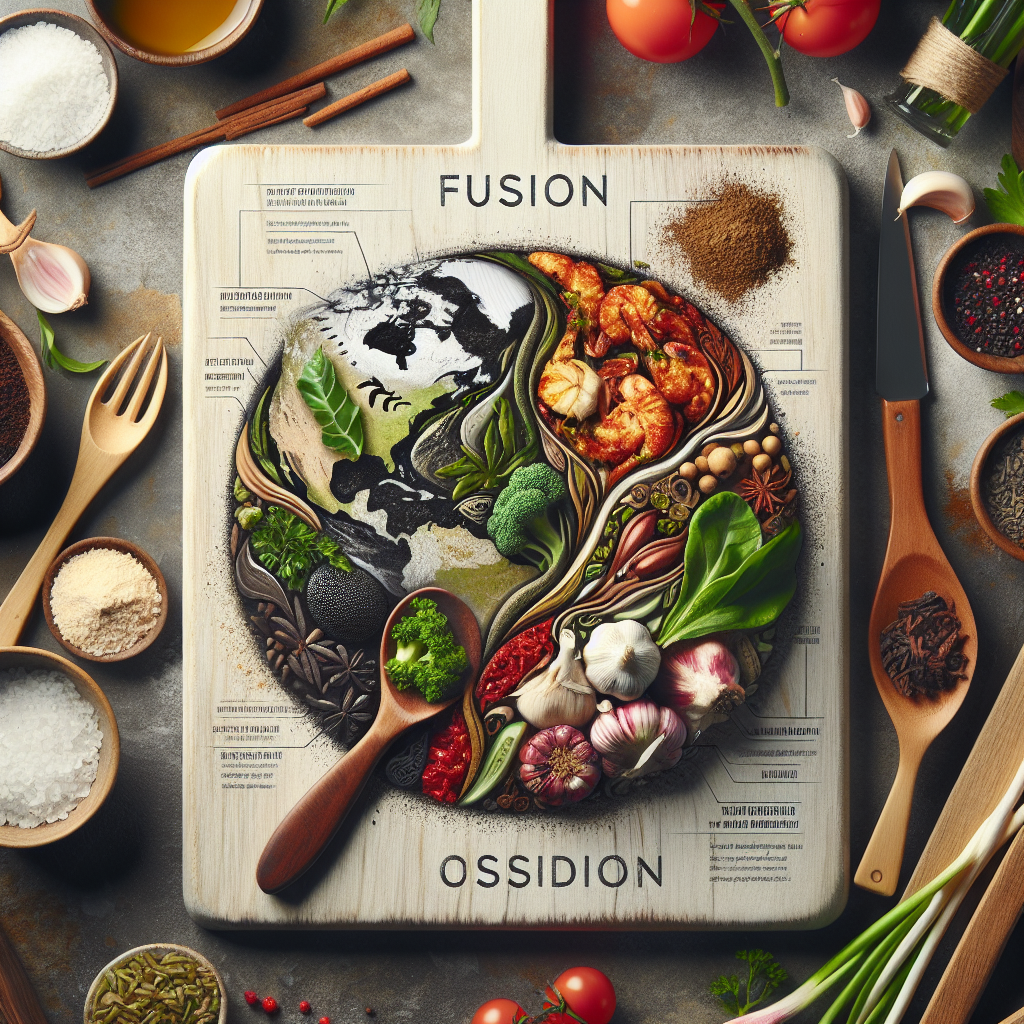
In today’s culinary landscape, fusion cuisine has emerged as a vibrant and exciting way to experience the world’s diverse flavors. By bridging the gap between different culinary traditions, fusion recipes create a unique and tantalizing dining experience. This article will explore the fascinating world of fusion cuisine, offering a journey through global flavors that challenge boundaries and celebrate creativity in the kitchen.
The Essence of Fusion Cuisine
Fusion cuisine is not merely about mixing ingredients from different cultures; it is an art form that requires skill, creativity, and an understanding of how flavors, textures, and cooking techniques can complement each other. At its core, fusion cuisine seeks to honor the culinary traditions it draws from while creating something entirely new. This blending of cultures can result in dishes that are as surprising as they are delicious, offering a culinary adventure that takes diners out of their comfort zones.
The Historical Roots of Fusion Cuisine
Though fusion cuisine has gained popularity in recent decades, its roots trace back centuries. As civilizations interacted through trade, exploration, and conquest, they inevitably exchanged culinary practices. The spice trade, for instance, led to the introduction of Asian spices in European kitchens, leading to new flavor profiles and cooking styles. Colonization also played a role, as colonizers introduced their ingredients and techniques to the lands they occupied, resulting in hybrid cuisines.
Influences from Around the World
Fusion cuisine draws from every corner of the globe. From the streets of Bangkok to the fine dining establishments of Paris, chefs are constantly experimenting with new combinations. Here are a few notable influences that have shaped the world of fusion cuisine:
– **Asian Fusion**: Combining elements from Chinese, Japanese, Thai, and Indian cuisines, Asian fusion often features bold flavors and innovative presentation. Sushi burritos and kimchi tacos are examples of this exciting genre.
– **Latin American Fusion**: With its rich history of indigenous and colonial influences, Latin American cuisine provides a plethora of flavors to explore. Dishes like Peruvian-Japanese “Nikkei” and Mexican-Korean tacos reflect the dynamic interactions between these cultures.
– **Mediterranean Fusion**: The Mediterranean region offers a bounty of fresh ingredients and healthy cooking techniques. Fusion dishes like Greek-style pizza or Moroccan-inspired couscous salad bring together the best of the Mediterranean with influences from other regions.
Creating Fusion Recipes at Home
Creating fusion recipes at home is a rewarding way to explore new flavors and expand your culinary repertoire. Here are some tips to help you get started on your fusion journey:
1. Start with Familiar Dishes
Begin by selecting dishes you are already comfortable with. This could be a classic Italian pasta or a traditional Japanese sushi roll. Once you have your base, think about how you can incorporate elements from other cuisines. For example, you could add Thai-inspired peanut sauce to your pasta or fill your sushi rolls with Mexican-style ingredients like avocado and cilantro.
2. Experiment with Spices and Condiments
Spices and condiments are key to adding depth and character to fusion dishes. Experiment with spice blends like Indian garam masala, Middle Eastern za’atar, or Chinese five-spice to create unique flavor profiles. Condiments like sriracha, chimichurri, and harissa can also add an exciting twist to your dishes.
3. Embrace Diverse Cooking Techniques
Different cuisines often employ distinct cooking techniques that can be combined to great effect. For instance, you might try grilling meat using Korean barbecue methods and then serving it with a French-inspired sauce. Steaming, stir-frying, and slow-cooking are all techniques that can be adapted to create fusion dishes.
4. Balance Flavors and Textures
A successful fusion dish achieves a harmonious balance of flavors and textures. Consider how sweet, sour, salty, and umami flavors can complement each other. Similarly, think about how textures like crispy, creamy, and crunchy can add interest to your dish.
Fusion Recipes to Try
To inspire your culinary adventures, here are a few fusion recipes that showcase the exciting possibilities of global flavors:
1. Korean-Italian Bibimbap Risotto
This dish combines the comfort of Italian risotto with the vibrant flavors of Korean bibimbap. Start by preparing a classic risotto with arborio rice, chicken broth, and Parmesan cheese. Once the risotto is creamy and cooked to perfection, top it with sautéed vegetables, a fried egg, and a dollop of gochujang (Korean chili paste) for a spicy kick.
2. Indian-Mexican Chai-Spiced Churros
Add a twist to traditional churros by infusing them with the warm spices of Indian chai. Prepare the churro dough as usual, but incorporate ground cardamom, cinnamon, and ginger. Fry the churros until golden brown and dust them with a mixture of sugar and chai spices. Serve with a chocolate dipping sauce for an irresistible treat.
3. Japanese-Middle Eastern Sushi Bowls
Sushi bowls are a versatile canvas for fusion flavors. Start with a base of sushi rice and top it with ingredients like marinated tofu, pickled ginger, and avocado. Add a Middle Eastern twist by incorporating falafel, tahini sauce, and a sprinkle of za’atar. The result is a vibrant and satisfying meal that bridges two distinct culinary worlds.
The Impact of Fusion Cuisine on the Culinary World
Fusion cuisine has had a profound impact on the global culinary scene. It has encouraged chefs to push boundaries, sparking creativity and innovation in kitchens around the world. By embracing fusion, chefs can create dishes that resonate with a diverse audience, reflecting the multicultural nature of contemporary society.
In addition, fusion cuisine has fostered greater appreciation for different cultures and their culinary traditions. It encourages diners to step outside their familiar tastes and experience the richness of global flavors. Through fusion, food becomes a vehicle for cultural exchange, bringing people together through shared experiences and new discoveries.
Conclusion
Exploring fusion recipes is a journey that transcends borders and celebrates the infinite possibilities of global flavors. Whether you’re a home cook experimenting in your kitchen or a diner seeking new culinary adventures, fusion cuisine offers a world of exciting tastes and textures to explore. By embracing creativity and honoring the diverse traditions that inspire it, fusion cuisine invites us all to embark on a delicious journey of discovery.
#ChatGPT assisted in the creation of this article.