
In the culinary world, the right kitchen tools can transform cooking from a mundane chore into a delightful experience. Whether you’re a seasoned chef or a beginner cook, having the right tools at your disposal is crucial. This guide aims to help smart shoppers make informed decisions when purchasing essential kitchen tools, ensuring that you invest in quality products that enhance your cooking experience.
Understanding Your Needs
Before diving into the world of kitchen tools, it’s essential to assess your needs. Consider the type of cooking you do most frequently. Are you a baker who needs precise measuring tools and high-quality mixers? Or do you prefer savory dishes, requiring sharp knives and sturdy pans? Understanding your cooking style will guide your purchasing decisions.
Frequency of Use
Think about how often you use certain tools. If you cook daily, investing in high-quality, durable tools is wise. However, if you cook occasionally, you might opt for more budget-friendly options.
Kitchen Space
Consider the size of your kitchen. If space is limited, prioritize multi-functional tools that save room and reduce clutter.
Essential Kitchen Tools
Now that you’ve assessed your needs, let’s explore the essential kitchen tools every smart shopper should consider:
Knives
A good set of knives is the cornerstone of any kitchen. Look for high-carbon stainless steel knives, which offer durability and sharpness. Essential knives include a chef’s knife, a paring knife, and a serrated bread knife. When purchasing, ensure the handle is comfortable and the weight is balanced.
Cookware
Investing in quality cookware can significantly impact the outcome of your dishes. Non-stick pans are excellent for beginners due to their ease of use and cleaning. However, stainless steel and cast iron pans offer superior heat distribution and are preferred by many professional chefs. Consider a mix of frying pans, saucepans, and a Dutch oven for versatility.
Cutting Boards
Cutting boards are essential for food preparation. Wooden boards are gentle on knives and offer a natural antibacterial surface, while plastic boards are dishwasher safe and ideal for raw meat to prevent cross-contamination.
Measuring Tools
Precision is key in cooking, especially in baking. A set of measuring cups and spoons, along with a digital kitchen scale, ensures accuracy. Stainless steel or BPA-free plastic are excellent choices for durability and safety.
Mixing Bowls
A set of mixing bowls in various sizes is indispensable. Stainless steel bowls are durable and easy to clean, while glass bowls allow you to see your ingredients clearly. Consider bowls with non-slip bases for added stability.
Utensils
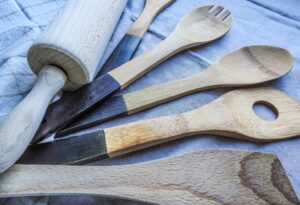
High-quality utensils make cooking more efficient. Silicone or wooden spatulas, ladles, and tongs are essential. They should be heat-resistant and comfortable to hold. Avoid metal utensils with non-stick cookware to prevent scratching.
Specialty Tools
While the basics are essential, certain specialty tools can elevate your cooking and make specific tasks easier. Consider these tools if they align with your cooking style:
Mandoline Slicer
For those who love precision and presentation, a mandoline slicer is invaluable. It allows for uniform slicing and julienning of fruits and vegetables.
Immersion Blender
An immersion blender is perfect for soups and sauces. It’s compact, easy to use, and eliminates the need to transfer hot liquids to a traditional blender.
Stand Mixer
Bakers will find a stand mixer indispensable. It handles everything from kneading dough to whipping cream, saving time and effort.
Quality vs. Price
When purchasing kitchen tools, it’s essential to balance quality and price. While it might be tempting to purchase the cheapest option, investing in high-quality tools can save money in the long run. Quality tools last longer, perform better, and enhance your cooking experience.
Reading Reviews
Before purchasing, read reviews from other customers. They provide valuable insights into the product’s performance and durability. Look for consistent positive feedback and be wary of recurring complaints.
Warranty and Return Policy
Check if the product comes with a warranty or a return policy. This offers peace of mind and protection against defects or dissatisfaction.
Eco-Friendly Options
Many consumers are turning towards eco-friendly kitchen tools. Bamboo cutting boards, silicone baking mats, and reusable food wraps are excellent alternatives to traditional materials. They reduce waste and are often made from sustainable resources.
Conclusion
Investing in essential kitchen tools is a step toward enhancing your culinary skills and enjoying the cooking process. By understanding your needs, prioritizing quality, and considering eco-friendly options, you can make smart purchases that cater to your lifestyle. Remember, the right tools not only make cooking easier but also more enjoyable, allowing you to create delicious meals with confidence.
#ChatGPT assisted in the creation of this article.