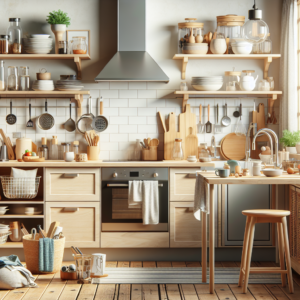

Stepping into the kitchen for the first time can be both exciting and overwhelming. With countless recipes, utensils, and ingredients to explore, it’s easy to feel lost. However, mastering a few essential kitchen hacks can transform your cooking experience from daunting to delightful. Whether you’re a novice cook or just looking to streamline your process, these hacks will make your time in the kitchen more efficient and enjoyable.
1. Understanding Your Tools
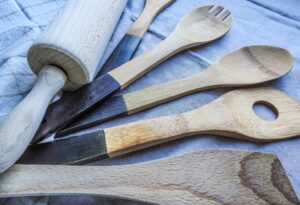
Before diving into cooking, it’s crucial to familiarize yourself with the basic tools and gadgets in your kitchen. Knowing their functions and how to use them properly can save you time and enhance your cooking skills.
Invest in Quality Knives
A good knife can make all the difference in food preparation. Invest in a quality chef’s knife and a paring knife. Keep them sharp; a sharp knife is safer and more effective than a dull one. Consider using a honing steel regularly and get your knives professionally sharpened every few months.
Use Your Appliances Wisely
Modern kitchens come with a range of appliances designed to make cooking easier. Learn to use your blender, food processor, and microwave effectively. For instance, a food processor can quickly chop, slice, and puree ingredients, saving you valuable time.
2. Time-Saving Prep Techniques
Preparation is key to efficient cooking. Implementing some time-saving techniques can help you get meals on the table faster without compromising quality.
Mise en Place
Adopting the French culinary practice of mise en place, which means “everything in its place,” can significantly improve your cooking process. Before you start cooking, measure and prepare all your ingredients. This ensures a smooth workflow and helps you avoid any last-minute scrambles.
Batch Cooking
Cooking in bulk can save you time and effort during the week. Prepare large batches of staples like rice, pasta, or sauce, and store them in portions. This method allows you to quickly assemble meals and reduces the daily cooking stress.
3. Food Storage and Organization
Storing food properly not only extends its shelf life but also keeps your kitchen organized. Here are some essential tips for beginners.
Label Everything
Label containers with the contents and the date it was prepared. This practice prevents food waste by reminding you of what needs to be used up and when it was stored.
Maximize Freezer Use
Your freezer is an invaluable tool for preserving food. Freeze herbs, sauces, and even complete meals. Use ice cube trays to freeze small portions of broth or wine for easy access when cooking.
4. Cooking with Confidence
Building confidence in the kitchen comes from practice and a willingness to experiment. These hacks will encourage you to try new things and trust your instincts.
Taste as You Go
Tasting your food throughout the cooking process is crucial. It allows you to adjust seasoning and flavors to your liking. Don’t be afraid to tweak recipes to suit your taste.
Embrace Mistakes
Every cook makes mistakes, especially when starting out. Instead of feeling discouraged, view mistakes as learning opportunities. Analyze what went wrong and how you can improve next time.
5. Cleaning Up Efficiently
A clean kitchen is a happy kitchen. Keeping your workspace tidy can make cooking more pleasant and prevent accidents.
Clean as You Go
Cleaning as you cook helps prevent mess from piling up. Wash utensils, bowls, and cutting boards as you use them. This habit reduces the daunting task of cleaning up after a meal.
Use Baking Soda and Vinegar
These two pantry staples are excellent for cleaning. Baking soda is a gentle abrasive, perfect for scrubbing pots and pans. Vinegar is a natural disinfectant that can be used to clean surfaces and remove odors.
6. Enhancing Flavor with Ease
Enhancing the flavor of your dishes doesn’t have to be complicated. Here are some simple hacks to boost flavors and impress your taste buds.
Use Citrus Wisely
Lemon and lime can brighten up any dish. A squeeze of lemon juice or a sprinkle of zest adds a fresh, vibrant flavor to salads, soups, and even desserts.
Toast Spices
Toasting spices before using them can enhance their flavor. Heat them in a dry pan for a few minutes until they become fragrant, then add them to your dish for a deeper, richer taste.
7. Baking Basics for Beginners
Baking can be intimidating, but with a few tricks up your sleeve, you can create delicious baked goods with ease.
Room Temperature Ingredients
Many baking recipes call for ingredients like butter and eggs to be at room temperature. This ensures even mixing and better texture. Plan ahead and take these items out of the fridge in advance.
Use a Scale
For precision in baking, use a kitchen scale. Measuring by weight rather than volume can lead to more consistent and successful results.
8. Experimenting with New Recipes
Once you’re comfortable with basic skills, don’t be afraid to explore new recipes and cuisines. It can be a rewarding way to expand your culinary repertoire.
Start Simple
Begin with straightforward recipes that require minimal ingredients and steps. As you gain confidence, you can tackle more complex dishes.
Document Your Journey
Keep a cooking journal to jot down notes, adjustments, and reflections on recipes you try. This practice helps you track your progress and remember what worked well.
Conclusion
Mastering these essential kitchen hacks will not only enhance your cooking skills but also make the culinary experience more enjoyable. With practice, patience, and a willingness to learn, you’ll become more confident in the kitchen and ready to tackle any culinary challenge. Remember, every great chef started as a beginner, and the journey is just as rewarding as the destination.
#ChatGPT assisted in the creation of this article.