In a world that is becoming increasingly interconnected, the culinary arts have emerged as a powerful medium through which we can explore different cultures and traditions. The flavors and cooking techniques native to various regions tell stories of their own, inviting us on a journey of discovery and appreciation. This article delves into the world of authentic ethnic recipes, guiding you through a global flavor journey that celebrates diversity, creativity, and history in the kitchen.
The Essence of Authenticity in Ethnic Recipes
When we speak of authentic ethnic recipes, we refer to dishes that have been traditionally prepared in a specific culture, often passed down through generations. These recipes are rich in history and are integral to the cultural identity of the people who create them. Authenticity in this context means staying true to the original flavors, ingredients, and methods, which are often shaped by the geographical, historical, and social contexts of the region.
Exploring authentic ethnic recipes offers a tangible connection to the world, allowing us to step into another culture’s kitchen and experience their way of life. By embracing these culinary traditions, we not only expand our palate but also gain a deeper understanding of the global community.
Exploring Asian Cuisine: A Symphony of Flavors
Asian cuisine is a tapestry of flavors, textures, and aromas. Its diversity is unparalleled, with each country offering a unique culinary identity. From the spicy curries of India to the delicate sushi of Japan, the continent boasts a multitude of authentic dishes that are a feast for the senses.
Indian Cuisine: The Art of Spice
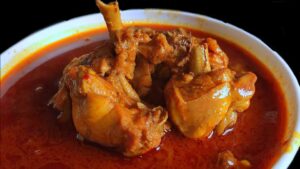
Indian cuisine is renowned for its complex use of spices, which form the backbone of its culinary identity. A classic example is the quintessential Chicken Tikka Masala, a dish that beautifully marries marinated chicken with a creamy, spiced tomato sauce. Another must-try is Biryani, a fragrant rice dish cooked with meat, saffron, and a medley of spices, reflecting the rich cultural tapestry of India.
Japanese Cuisine: Simplicity and Precision
Japanese cuisine, in contrast, emphasizes simplicity and precision. Sushi and sashimi are prime examples of how fresh ingredients can shine with minimal intervention. The meticulous preparation of these dishes highlights the Japanese culinary philosophy of letting the natural flavors of ingredients take center stage.
European Delights: A Journey Through Tradition
Europe offers a treasure trove of culinary traditions, each with its own distinct character and history. From the hearty stews of Eastern Europe to the gourmet creations of France, European cuisine provides a diverse array of authentic recipes.
Italian Cuisine: A Celebration of Freshness
Italian cuisine is celebrated for its use of fresh, high-quality ingredients. Dishes such as Pasta Carbonara and Risotto alla Milanese exemplify the Italian culinary ethos of simple yet exquisite flavors. The key to authentic Italian cooking lies in sourcing the best ingredients, allowing their natural flavors to shine through.
French Cuisine: The Epitome of Elegance
French cuisine is synonymous with sophistication and elegance. Classic dishes like Coq au Vin and Ratatouille showcase the meticulous techniques and attention to detail that define French cooking. The use of wine, herbs, and slow-cooking methods infuse these dishes with rich, complex flavors that are quintessentially French.
African Flavors: A Celebration of Diversity
African cuisine is as diverse as the continent itself, with each region offering its own array of flavors and ingredients. From the aromatic tagines of North Africa to the spicy stews of West Africa, the continent’s culinary heritage is vast and varied.
Moroccan Cuisine: A Fusion of Influences
Moroccan cuisine is a vibrant fusion of Berber, Arab, and Mediterranean influences. Dishes such as Lamb Tagine with apricots and almonds are a testament to Morocco’s rich culinary history. The use of spices like cumin, coriander, and saffron, combined with sweet and savory elements, creates a harmonious balance of flavors.
Nigerian Cuisine: Bold and Flavorful
Nigerian cuisine is known for its bold flavors and hearty dishes. Jollof Rice, a one-pot dish cooked with tomatoes, peppers, and spices, is a staple in Nigerian households and a symbol of West African culinary tradition. The vibrant colors and robust flavors of Nigerian dishes reflect the country’s rich cultural heritage.
Latin American Cuisine: A Fiesta for the Senses
Latin American cuisine is a vibrant fusion of indigenous, European, and African influences. The region’s culinary diversity is celebrated through its colorful, flavorful dishes that are a feast for both the eyes and the palate.
Mexican Cuisine: A Blend of Tradition and Innovation
Mexican cuisine is a harmonious blend of traditional techniques and innovative flavors. Tacos al Pastor, made with marinated pork and pineapple, exemplify the Mexican tradition of street food, while Mole Poblano, with its complex sauce of chilies and chocolate, showcases the depth of Mexican culinary artistry.
Peruvian Cuisine: A Culinary Melting Pot
Peruvian cuisine is a melting pot of indigenous ingredients and immigrant influences. Ceviche, a dish of raw fish marinated in citrus juices, highlights the freshness and simplicity that are hallmarks of Peruvian cooking. The use of native ingredients like quinoa and ají peppers, combined with global influences, creates a unique culinary identity.
The Importance of Preserving Culinary Traditions
As we embark on this global flavor journey, it is essential to recognize the importance of preserving culinary traditions. Each authentic ethnic recipe carries with it a piece of history and cultural identity. In a rapidly globalizing world, there is a risk of losing these traditions to homogenization and commercialization.
Preserving authentic recipes ensures that future generations can continue to connect with their heritage and appreciate the diversity of global cultures. It also fosters a sense of pride and identity among communities, encouraging them to share their culinary traditions with the world.
Conclusion
Discovering authentic ethnic recipes is more than a culinary adventure; it is a journey of cultural exploration and appreciation. By embracing the flavors and techniques of different regions, we gain a deeper understanding of the world and its diverse inhabitants. As we savor these dishes, we celebrate the richness of human creativity and the enduring power of food to bring people together across borders and generations. This global flavor journey invites us to keep exploring, savoring, and preserving the culinary treasures that make our world so wonderfully diverse.
“`
#ChatGPT assisted in the creation of this article.