Exploring Diverse Cultural Food Traditions Worldwide
Food is an essential part of human life, serving not only as a source of nourishment but also as a means of cultural expression and identity. Throughout the world, diverse cultures have developed unique food traditions that reflect their history, geography, and values. In this article, we will explore a selection of these food traditions, highlighting the ways in which they bring people together and celebrate the rich tapestry of human life.
Asia: A Melting Pot of Flavors
Japan: The Art of Simplicity
Japanese cuisine, known as washoku, is a UNESCO Intangible Cultural Heritage that emphasizes seasonality, quality ingredients, and presentation. Central to Japanese food culture are rice, fish, and seasonal vegetables, often prepared with minimal seasoning to highlight their natural flavors. Sushi, sashimi, and tempura are globally famous, but the traditional kaiseki meal—an elaborate multi-course dinner—truly showcases the art of Japanese cuisine, with each dish meticulously crafted to delight the senses.
India: A Symphony of Spices
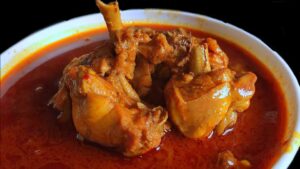
Indian cuisine is renowned for its bold flavors and extensive use of spices. Each region in India has its own distinctive culinary traditions, shaped by local ingredients and cultural influences. From the creamy curries of the north to the spicy coconut-based dishes of the south, Indian food is as diverse as its people. Staples like rice, lentils, and flatbreads serve as the foundation, while spices such as cumin, coriander, and turmeric add depth and complexity to every meal.
Europe: A Legacy of Tradition
Italy: The Heart of the Mediterranean
Italian cuisine is synonymous with passion and pride, deeply rooted in family traditions and regional diversity. From the rich, meaty ragù of Bologna to the fresh, simple flavors of a Neapolitan pizza, Italian food celebrates quality ingredients and time-honored techniques. Olive oil, tomatoes, and pasta are staples, while herbs such as basil and oregano add aromatic notes. Meals are often communal events, bringing together family and friends to share in the joy of food.
France: Elegance and Sophistication
French cuisine is celebrated for its elegance and precision, with an emphasis on technique and presentation. Renowned for its bread, cheese, and wine, France’s culinary tradition is a harmonious blend of flavors and textures. Classic dishes like coq au vin and bouillabaisse are crafted with care, while desserts such as crème brûlée and macarons showcase the artistry of French patisserie. Dining in France is an experience, with meals savored slowly and paired with the perfect wine.
Africa: A Fusion of Cultures
Morocco: A Spice Lover’s Paradise
Moroccan cuisine is a vibrant fusion of Berber, Arab, Andalusian, and Mediterranean influences, characterized by its bold use of spices. Tagines, slow-cooked stews of meat and vegetables, are a staple, often flavored with cinnamon, cumin, and saffron. Couscous, a light and fluffy semolina dish, accompanies many meals, while sweet pastilla, a pastry filled with spiced meat and almonds, offers a unique blend of sweet and savory flavors.
South Africa: A Rainbow of Flavors
South African cuisine reflects the country’s cultural diversity, with influences from indigenous peoples, Dutch settlers, and Indian and Malaysian communities. Braai, a traditional barbecue, is a beloved social event, showcasing meats such as boerewors (a spiced sausage) and sosaties (skewered meat). Bobotie, a spiced minced meat dish baked with an egg topping, and bunny chow, a hollowed-out loaf of bread filled with curry, highlight the fusion of flavors that define South African food.
Americas: A Blend of Traditions
Mexico: A Fiesta of Flavors
Mexican cuisine is a vibrant celebration of flavors, colors, and textures, deeply rooted in indigenous and Spanish traditions. Corn, beans, and chili peppers form the backbone of many dishes, while ingredients such as avocado, lime, and cilantro add freshness and zest. Tacos, enchiladas, and tamales are beloved staples, but regional specialties like mole poblano—a rich sauce made with chocolate and spices—demonstrate the complexity and diversity of Mexican culinary heritage.
Peru: A Culinary Renaissance
Peruvian cuisine has gained international acclaim for its innovative blend of indigenous ingredients and global influences. The country’s diverse geography, from the Andes to the Amazon, provides a wealth of unique ingredients such as quinoa, potatoes, and aji peppers. Ceviche, a dish of raw fish marinated in citrus juices, is a national favorite, while dishes like lomo saltado—a stir-fry of beef, tomatoes, and onions—highlight the fusion of Peruvian and Asian flavors.
Oceania: A Celebration of the Sea and Land
Australia: A Contemporary Fusion
Australian cuisine is a reflection of the country’s multicultural society, with influences from British, Asian, and indigenous culinary traditions. Seafood is a highlight, with dishes like barramundi and Moreton Bay bugs showcasing the bounty of the ocean. The iconic meat pie and the beloved pavlova dessert are staples, while modern Australian cuisine embraces a fusion of flavors, incorporating native ingredients like finger lime and wattleseed.
Polynesia: A Taste of Paradise
Polynesian cuisine is a celebration of tropical flavors and traditional cooking methods. Root vegetables like taro and sweet potatoes are staples, often cooked in an earth oven known as an umu. Fresh seafood, coconut milk, and tropical fruits like papaya and pineapple add vibrant flavors, while dishes like poke—a salad of raw fish marinated in soy sauce and sesame oil—showcase the region’s connection to the sea.
The Role of Food in Cultural Identity
Food is more than just sustenance; it is a powerful symbol of cultural identity and pride. Traditional dishes are often passed down through generations, preserving the history and heritage of a community. They serve as a connection to the past, a reminder of where we come from, and a celebration of the diversity that defines us. In a world that is increasingly interconnected, food traditions offer a way to explore and appreciate different cultures, fostering understanding and unity.
As we continue to explore diverse cultural food traditions worldwide, we are reminded of the richness and complexity that defines human life. Each dish tells a story, a narrative of history, geography, and community that transcends borders and brings people together. Whether it is the simplicity of Japanese sushi, the bold flavors of Indian curry, or the fusion of Peruvian ceviche, food has the power to unite us, celebrating the unique and shared experiences that make us who we are.
#ChatGPT assisted in the creation of this article.