In a world that is increasingly interconnected, the flavors and culinary traditions of different cultures are more accessible than ever before. Exploring global cuisines not only satisfies the palate but also offers a deeper understanding of cultural identities, histories, and traditions. This article delves into the vibrant tapestry of global flavors, providing inspiration for those eager to embark on a culinary journey from their own kitchens.
Understanding Global Cuisine
Global cuisine is a term that encompasses the diverse culinary practices and flavors found around the world. Each cuisine is characterized by its unique ingredients, cooking techniques, and cultural significance. From the spicy curries of India to the delicate sushi of Japan, global cuisines offer a wide array of tastes and experiences.
The Influence of Geography and Climate
Geography and climate play a crucial role in shaping the culinary traditions of a region. Coastal areas, for instance, often have a diet rich in seafood, while regions with fertile soil and temperate climates might rely heavily on agriculture. Understanding these influences provides insight into why certain ingredients and dishes are prevalent in specific areas.
Cultural Exchange and Global Flavors
Throughout history, trade routes and migration have facilitated the exchange of culinary practices and ingredients. The Silk Road, for example, was instrumental in the exchange of spices, leading to a fusion of flavors in many cuisines. Today, globalization continues to introduce new flavors to different parts of the world, encouraging culinary innovation and fusion.
Exploring Iconic Global Cuisines
To truly appreciate the world of flavors, one must explore the iconic dishes and ingredients that define various global cuisines. Here are some notable examples:
Italian Cuisine: A Celebration of Simplicity
Italian cuisine is revered for its simplicity and reliance on high-quality ingredients. Staples like pasta, olive oil, tomatoes, and fresh herbs form the backbone of many Italian dishes. From the rich and hearty Bolognese sauce to the delicate and flavorful risotto, Italian cuisine is a celebration of fresh, vibrant flavors.
Japanese Cuisine: Harmony and Precision
Japanese cuisine is characterized by its emphasis on seasonality and presentation. Sushi, sashimi, and tempura are just a few examples of dishes that showcase the precision and artistry of Japanese cooking. The use of ingredients like soy sauce, miso, and seaweed contributes to the unique umami flavor that defines Japanese cuisine.
Indian Cuisine: A Symphony of Spices
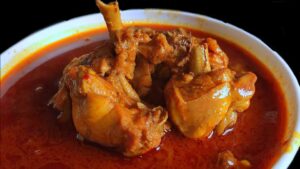
Indian cuisine is renowned for its bold flavors and intricate spice blends. Curry, a staple in Indian cooking, varies greatly from region to region, incorporating spices such as cumin, coriander, turmeric, and cardamom. The diverse culinary landscape of India offers a rich array of vegetarian and non-vegetarian dishes, each with its own distinctive taste and aroma.
Mexican Cuisine: A Fiesta of Flavors
Mexican cuisine is celebrated for its vibrant colors and bold flavors. Ingredients like corn, beans, chili peppers, and avocados are central to many dishes, creating a cuisine that is both hearty and flavorful. From tacos and enchiladas to moles and tamales, Mexican cuisine offers a delightful culinary experience that is both comforting and exciting.
Incorporating Global Flavors into Your Cooking
For those eager to incorporate global flavors into their cooking, there are several strategies to consider:
Experimenting with Spices and Herbs
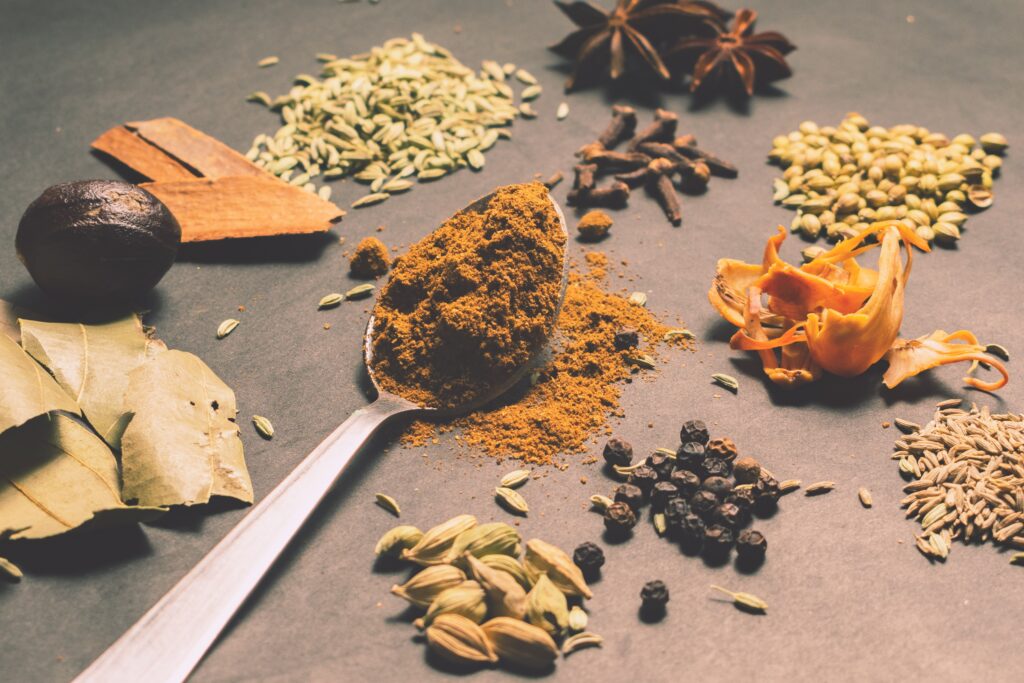
Spices and herbs are the heart and soul of many global cuisines. Experimenting with different spice blends can transform a dish and introduce new layers of flavor. Consider creating your own spice mixes or exploring pre-made blends from different cultures to add depth and excitement to your cooking.
Exploring International Ingredients
Supermarkets and specialty stores now offer a wide range of international ingredients. From Japanese miso paste to Mexican masa harina, incorporating these ingredients into your cooking can transport your taste buds to distant lands. Don’t shy away from experimenting with unfamiliar ingredients—they may become new staples in your kitchen.
Learning from Global Culinary Techniques
Embracing different cooking techniques can also enhance your culinary repertoire. Whether it’s learning the art of rolling sushi, perfecting the sauté of a French dish, or mastering the spice roasting techniques of Indian cuisine, these skills will broaden your cooking horizons and allow you to create authentic global dishes.
The Cultural Significance of Food
Food is not only a means of sustenance but also a reflection of cultural heritage and identity. Each dish tells a story, representing the history, values, and traditions of the people who create and consume it. Understanding the cultural significance of food fosters appreciation and respect for different culinary traditions.
Celebratory Meals and Traditions
Many cultures have special meals and dishes that are prepared for celebrations and rituals. From the Thanksgiving feast in the United States to the Chinese New Year banquet, these meals are imbued with cultural significance and are an integral part of the cultural fabric. Exploring these traditions provides insight into the values and customs of different cultures.
Food as a Medium of Connection
Sharing a meal is a universal act of connection and hospitality. In many cultures, food is a means of bringing people together, fostering community, and strengthening bonds. Whether it’s a family gathering, a communal feast, or a friendly dinner, food has the power to transcend language and cultural barriers.
Conclusion: Embracing Global Flavors
Exploring global flavors is an enriching journey that extends beyond the palate. It is an opportunity to engage with diverse cultures, learn about different culinary traditions, and expand one’s culinary skills. As we embrace the vibrant tapestry of global cuisines, we not only satisfy our taste buds but also cultivate a deeper appreciation for the rich cultural heritage that shapes our world.
Incorporating global flavors into your cooking is a delightful way to travel the world from your own kitchen. By experimenting with spices, exploring international ingredients, and embracing diverse culinary techniques, you can create dishes that are both flavorful and meaningful. So go ahead, take a culinary leap, and discover the worldly flavors that await you.
#ChatGPT assisted in the creation of this article.