The world is a tapestry of diverse cultures, each with its own unique culinary traditions and flavors. Exploring global cuisine is not just about tasting different foods; it’s an adventure that opens doors to understanding diverse cultures and history. Our ultimate world food guide will take you on a journey through the most iconic dishes across continents, highlighting the ingredients, cooking techniques, and stories behind them. Whether you’re a seasoned traveler or a culinary novice, this guide will enrich your taste buds and broaden your gastronomic horizons.
African Delights
West African Cuisine
West African cuisine is characterized by its rich, spicy flavors and hearty ingredients. Jollof rice, a vibrant, one-pot dish made with tomatoes, onions, and spices, is central to many West African celebrations. Often served with grilled chicken or fish, it’s a must-try for anyone seeking to experience the heart of West African flavors.
North African Cuisine
North Africa offers a culinary fusion influenced by Mediterranean, Arabic, and indigenous Berber flavors. Couscous, a staple dish made from steamed semolina, is often served with a rich stew of meat and vegetables, known as tagine. The use of aromatic spices like saffron, cumin, and coriander enhances the complexity of these dishes, offering a taste of history and tradition in every bite.
Asian Sensations
East Asian Cuisine
East Asia’s vibrant culinary scene boasts a variety of flavors, from the umami-rich dishes of Japan to the fiery and bold tastes of Korean cuisine. Sushi, a Japanese dish of vinegared rice paired with fresh fish, showcases the country’s dedication to precision and quality. In contrast, Korean BBQ, with its marinated meats grilled at the table, emphasizes communal dining and robust flavors.
South Asian Cuisine
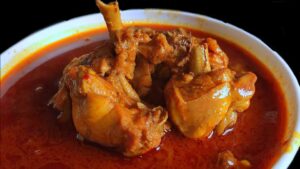
South Asian cuisine is renowned for its diverse use of spices and vegetarian options. Indian curry, with its complex spice blends and creamy textures, offers a comforting and aromatic experience. Accompanied by naan or basmati rice, these curries reflect India’s rich cultural and regional diversity.
European Elegance
Mediterranean Cuisine
The Mediterranean diet is celebrated for its health benefits and simple yet flavorful ingredients. Italian pasta, often paired with fresh tomatoes, basil, and olive oil, exemplifies the region’s commitment to fresh, high-quality produce. Similarly, Greek moussaka, a layered dish of eggplant, minced meat, and béchamel sauce, offers a savory taste of the Mediterranean.
Eastern European Cuisine
Eastern European cuisine is known for its hearty and comforting dishes. Pierogi, traditional Polish dumplings filled with potato, cheese, or meat, are a beloved comfort food. These dumplings, often served with sour cream, reflect the region’s agricultural heritage and resourceful cooking methods.
American Fusion
North American Cuisine
North American cuisine is a melting pot of international influences, resulting in diverse and innovative dishes. The United States is famous for its BBQ ribs, slow-cooked and slathered in tangy barbecue sauce, reflecting the country’s love for outdoor cooking and bold flavors. In Canada, poutine—a dish of French fries topped with cheese curds and gravy—showcases the country’s comfort food traditions.
South American Cuisine
South American cuisine is vibrant and varied, with influences from indigenous cultures, Africa, and Europe. Brazilian feijoada, a black bean stew with pork, represents the country’s diverse culinary heritage. Meanwhile, Peruvian ceviche, made from fresh fish cured in citrus juices, offers a refreshing and zesty taste of the coastal regions.
Oceanic Offerings
Australian Cuisine
Australian cuisine reflects its multicultural society and abundance of fresh produce. The iconic Aussie meat pie, a hand-held pastry filled with minced meat and gravy, is a popular snack across the country. Indigenous bush tucker, including native herbs and berries, is gaining recognition for its unique flavors and historical significance.
New Zealand Cuisine
New Zealand cuisine is heavily influenced by its Maori heritage and surrounding seas. Hāngī, a traditional Maori method of cooking food underground using heated stones, produces tender and smoky flavors. Seafood, particularly green-lipped mussels and crayfish, is a staple, reflecting the country’s rich maritime resources.
Middle Eastern Magic
Levantine Cuisine
Levantine cuisine, encompassing countries like Lebanon, Syria, and Jordan, is celebrated for its fresh ingredients and bold flavors. Hummus, a creamy blend of chickpeas, tahini, and lemon juice, is a staple dip that pairs well with fresh pita. Meanwhile, falafel, deep-fried chickpea balls, offer a crunchy and satisfying bite.
Gulf Cuisine
Gulf cuisine is characterized by its use of aromatic spices and slow-cooked dishes. Machboos, a spiced rice dish with meat, is a traditional favorite in countries like Saudi Arabia and the UAE. The use of saffron, cardamom, and rose water in desserts highlights the region’s love for fragrant and flavorful culinary experiences.
Conclusion
Our journey through global cuisine reveals the rich tapestry of flavors and traditions that define each culture. From the aromatic spices of India to the comforting simplicity of Mediterranean dishes, each region offers a unique culinary narrative. Embracing global cuisine not only satisfies our taste buds but also enriches our understanding of cultural diversity and heritage. As you explore these dishes, remember that food is more than sustenance—it’s a universal language that connects us all.
#ChatGPT assisted in the creation of this article.