Cooking is an art that can be both a necessity and a passion. For beginners, stepping into the kitchen can seem daunting with its myriad techniques, tools, and flavors. However, with the right guidance, anyone can master the basics and build a solid foundation for a lifetime of culinary exploration. This article will provide essential cooking tips for beginners, helping them navigate the kitchen with confidence and finesse.
Organizing Your Kitchen
Stocking the Essentials
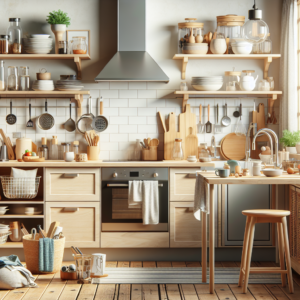
Before embarking on your culinary journey, ensure your kitchen is stocked with essential ingredients and tools. Start with basic spices like salt, pepper, garlic powder, and herbs such as oregano and basil. A well-stocked pantry also includes staples like olive oil, vinegar, flour, sugar, and rice. Having these essentials on hand will make it easier to prepare a variety of dishes without frequent trips to the grocery store.
Investing in Quality Tools
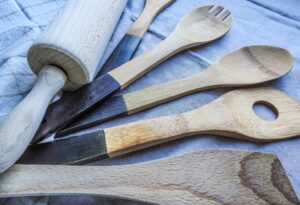
While you don’t need to spend a fortune on kitchen gadgets, investing in a few quality tools will greatly enhance your cooking experience. A good chef’s knife, cutting board, and sturdy pots and pans are fundamental. These tools will not only last longer but also improve your efficiency and safety in the kitchen.
Understanding Basic Cooking Techniques
Sautéing
Sautéing is a fundamental cooking technique that involves cooking food quickly in a small amount of oil over medium-high heat. It’s perfect for vegetables and small pieces of meat. To master sautéing, ensure your pan is hot before adding oil and food. This technique allows for even cooking and enhances flavors by caramelizing the surface of the food.
Boiling and Simmering
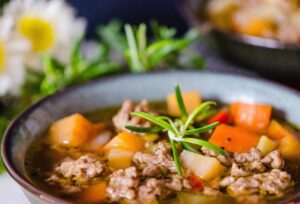
Boiling and simmering are essential for preparing soups, stews, and pasta. Start by bringing your liquid to a rolling boil, then reduce the heat to achieve a gentle simmer. This method allows flavors to meld and develop over time without overcooking the ingredients.
Baking
Baking is both a science and an art, requiring precision and patience. Always preheat your oven and follow recipes closely, paying attention to measurements and timing. Understanding the difference between baking soda and baking powder, as well as how to properly measure flour, will improve your baking results significantly.
Mastering Knife Skills
Choosing the Right Knife
A sharp, versatile knife is crucial for efficient and safe cooking. A chef’s knife is the most commonly used and can handle a variety of tasks from chopping to slicing. Keep your knives sharp and practice proper grip and cutting techniques to enhance your skills.
Basic Cuts and Chops
Learning basic knife cuts such as dicing, chopping, and julienning will improve your cooking efficiency and presentation. Practice these cuts on vegetables like onions, carrots, and bell peppers to gain confidence. Remember to keep your fingers tucked under, using your knuckles as a guide to avoid accidents.
Enhancing Flavors
The Power of Seasoning
Seasoning is key to creating delicious dishes. Salt enhances flavors, while herbs and spices add depth and complexity. Taste your food as you cook and adjust seasoning gradually. Understanding the balance of sweet, salty, sour, and bitter flavors can transform a good dish into a great one.
Using Fresh Ingredients
Fresh ingredients make a significant difference in the taste and quality of your dishes. Whenever possible, use fresh herbs, vegetables, and proteins. Not only do they taste better, but they also offer more nutritional benefits. Visit local farmers’ markets or grow your own herbs for the freshest options.
Time Management in the Kitchen
Planning and Preparation
Good time management is crucial in the kitchen. Before you start cooking, read through your recipe and gather all necessary ingredients and tools. This practice, known as mise en place, will help you work more efficiently and reduce stress.
Managing Multiple Dishes
Cooking multiple dishes simultaneously requires careful timing and coordination. Start with dishes that take the longest to cook and plan your workflow to maximize efficiency. Practice multitasking by preparing ingredients for one dish while another is cooking.
Embracing Mistakes and Learning
Trial and Error
Cooking is a learning process, and mistakes are part of the journey. Don’t be discouraged by failures; instead, view them as opportunities to learn and improve. Keep a cooking journal to note what worked and what didn’t, helping you refine your skills over time.
Seeking Feedback
Sharing your culinary creations with friends and family is a great way to receive constructive feedback. Use their input to make adjustments and try new techniques. Remember, cooking is not just about following recipes but also about experimenting and finding your own style.
Conclusion
Mastering the basics of cooking is an empowering and rewarding experience. By organizing your kitchen, understanding fundamental techniques, improving knife skills, enhancing flavors, managing time, and embracing mistakes, you’ll build a strong foundation for further culinary exploration. Remember, cooking is a skill that improves with practice, so don’t hesitate to experiment and have fun in the kitchen. With these essential tips, you’ll be well on your way to becoming a confident and skilled cook.
“`
#ChatGPT assisted in the creation of this article.