
Discover Global Recipes: A Journey Through World Flavors
In our increasingly interconnected world, the vibrant tapestry of global cuisine is more accessible than ever. From the fragrant spices of India to the rich umami flavors of Japan, each dish tells a story, not just of taste, but of culture, history, and tradition. Embarking on a culinary journey through these world flavors offers not only a feast for the senses but also a deeper understanding of the world we inhabit.
The Spice Markets of India
India, known for its diverse and complex flavors, is a country where spices are at the heart of its culinary tradition. The markets in cities like Delhi and Mumbai are alive with the vibrant colors and aromas of spices such as turmeric, cumin, coriander, and cardamom. These spices form the backbone of many Indian recipes, lending depth and warmth to dishes.
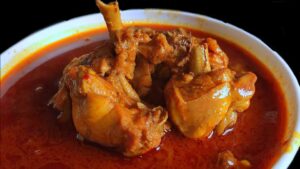
One cannot journey through Indian flavors without exploring the classic Butter Chicken. This dish, originating from the northern regions, combines marinated chicken with a rich, creamy tomato sauce infused with garam masala, a blend of spices that includes black pepper, cinnamon, cloves, and cardamom. Paired with naan or basmati rice, Butter Chicken is a celebration of Indian spices in every bite.
The Mediterranean Melting Pot
The Mediterranean basin is a culinary melting pot, with influences from Europe, Africa, and the Middle East. The flavors here are fresh, vibrant, and celebrated for their health benefits. Olive oil, garlic, fresh herbs, and citrus are staples, providing the foundation for many dishes.
Take, for instance, the classic Italian Caprese Salad. Made from ripe tomatoes, fresh mozzarella, basil, and a drizzle of olive oil, it embodies the simplicity and quality of Mediterranean ingredients. In Greece, a similar reverence for fresh ingredients is seen in Spanakopita, a savory pie filled with spinach, feta cheese, and herbs wrapped in crispy phyllo pastry. Each bite offers a taste of the Greek countryside.
The Umami of Japan
Japan’s culinary landscape is defined by its use of umami, the savory fifth taste. This is achieved through ingredients like soy sauce, miso, and dashi, a broth made from kombu seaweed and bonito flakes. Japanese cuisine values balance and presentation, turning meals into art forms.
Sushi, perhaps Japan’s most famous export, showcases the country’s dedication to precision and quality. The combination of vinegared rice, fresh fish, and wasabi highlights the delicate balance of flavors. Meanwhile, a bowl of Ramen, with its complex broth and array of toppings like sliced pork, bamboo shoots, and scallions, offers a comforting, hearty experience that warms the soul.
The Richness of French Cuisine
French cuisine is synonymous with sophistication and technique. Known for its rich sauces and exquisite pastries, it has influenced culinary traditions worldwide. The French approach to cooking emphasizes the importance of high-quality ingredients and meticulous preparation.
One of France’s most beloved dishes is Coq au Vin, a rustic yet elegant dish made by braising chicken in red wine with mushrooms, onions, and lardons. This classic showcases the depth of flavor that slow cooking can achieve. On the sweeter side, the delicate Mille-Feuille, a pastry made of layered puff pastry and cream, demonstrates the French mastery of dessert-making.
The Fiery Flavors of Mexico
Mexican cuisine offers a vibrant array of flavors, often characterized by its use of chili peppers, corn, and beans. The country’s culinary traditions are a blend of indigenous and Spanish influences, resulting in a rich tapestry of tastes.
One cannot overlook the iconic Tacos al Pastor. This dish, inspired by Lebanese immigrants, features marinated pork cooked on a vertical spit, similar to shawarma. Served in a corn tortilla with pineapple, onions, and cilantro, it is a perfect example of Mexico’s ability to blend different cultural influences into something uniquely its own.
The Aromas of the Middle East
Middle Eastern cuisine is known for its fragrant spices and use of fresh ingredients like herbs, nuts, and grains. Dishes are often shared, reinforcing the region’s focus on hospitality and community.
A staple of Middle Eastern cuisine is Hummus, a creamy blend of chickpeas, tahini, lemon, and garlic. This dish is both nutritious and delicious, often served with warm pita bread. Another beloved dish is Shawarma, marinated meat slow-cooked on a rotisserie, typically served in flatbread with vegetables and tahini sauce.
The Vibrancy of Southeast Asia
Southeast Asian cuisine is a vibrant mix of flavors, often combining sweet, sour, salty, and spicy elements in perfect harmony. Countries like Thailand, Vietnam, and Indonesia offer a plethora of dishes that excite the palate.
Thai Green Curry, with its creamy coconut milk base and aromatic green curry paste, showcases the balance of flavors that Thai cuisine is famous for. In Vietnam, Pho, a noodle soup with complex, fragrant broth, is a national dish that exemplifies the country’s culinary finesse.
The Culinary Diversity of Africa
Africa, with its diverse cultures and climates, offers a rich array of flavors. North African cuisine, with its Berber and Arab influences, is known for dishes like Tagine, a slow-cooked stew named after the earthenware pot in which it is cooked. With ingredients like lamb, apricots, almonds, and a blend of spices including saffron and cinnamon, Tagine is a flavorful journey on its own.
Sub-Saharan Africa offers dishes like Jollof Rice, a West African favorite made with rice, tomatoes, onions, and spices. This dish is often the center of social gatherings, highlighting the communal nature of African dining.
The Exploration Continues
Exploring global flavors is an ongoing journey. Each dish we taste and each recipe we try opens a window into another culture, another way of life. As we savor these diverse cuisines, we not only nourish our bodies but also enrich our understanding of the world.
In this age of globalization, the opportunity to experience and appreciate the flavors of the world is at our fingertips. Whether through travel, dining out, or experimenting in our own kitchens, we can embark on a culinary journey that transcends borders and brings the world closer together. The flavors of the world are waiting to be discovered, and each bite is an invitation to learn, to connect, and to celebrate the incredible diversity of our planet.
“`
#ChatGPT assisted in the creation of this article.